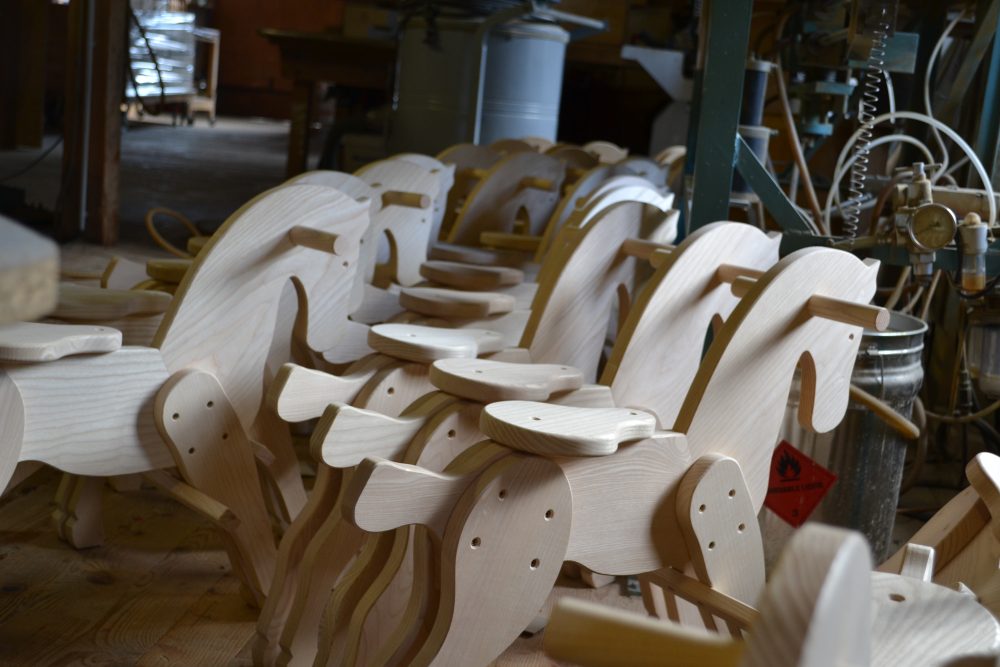
What meticulous work!
From the tranquility of a watch factory to the ticking of a vintage watchmaking workshop, and including the astonishing collections of our museums, time takes on a new dimension. Precise gestures and exceptional pieces tell the story of watchmaking, rooted for centuries in our region.
Step behind the scenes of time!
Until now, visits to watchmaking companies have been kept confidential and are rare. Luxury and precision have often limited access to contemporary watchmaking.
Today, the Herbelin company offers a guided tour of its workshops.
A rare and valuable opportunity to discover this surprising world and the family history of this company, which has been based in Charquemont since 1947.
From watches to clocks, this exceptional craftsmanship is in the hands of passionate artisans. L'Orlogeur, a clockmaking workshop, reveals the intricate mechanisms of antique clocks and pendulums… and shares unexpected local stories!
A selection of collections from the two former museums, the watch museum and the clockmaking museum, which are currently undergoing renovations.
Before the object, there is the tool! A surprising museum that links many skills.
This museum is located in Switzerland, with whom we share this expertise. With its 4000 exceptional pieces, it's a must-see.
The watchmaking museum of Morteau is currently closed. Housed in the Pertusier castle, this museum will soon become the City of Watchmakers.
A vast and beautiful project that takes place in Morteau in the Pertusier castle. Extensive renovations will provide a setting worthy of this exceptional expertise.
Originally
Watchmaking is developing in Haut-Doubs (current Pays horloger) from the mid-18th century to supply its Swiss neighbor with components and labor. It is particularly suited to local topographical and climatic conditions: when the snow confines the inhabitants – particularly the peasants – to their homes, it provides them with seasonal activity. This industry is characterized, within the framework of the establishment, by the importance of homework where the watchmaker works "on the window" and with his family, with tools manufactured in Gras and Montécheroux.
Railways and electricity = industrialization and acceleration
If the need for mechanization was revealed by the Universal Exhibition in Philadelphia in 1876, it was above all the arrival of the railway in 1884 and of electricity from 1895 which would accelerate the industrialization of the valley of Morteau and the Maîche and Russey plateaus. The workshops gathered in the towns, where factories appeared such as the Parrenin ébauche factories in Villers-le-Lac (1877) and the Belzon watch factories in Morteau (1881).
Fragile euphoria
The area held a virtual monopoly on the cylinder escapement, the most widespread until the 1930s and 1940s, but the temporary closure of the Swiss market in 1892 encouraged component manufacturers to convert to watch production. The number of workshops exploded during the interwar period and the Trente Glorieuses. This fragile euphoria was doomed by globalization and the technological upheavals linked to quartz, which led to the disappearance of most companies from the 1970s onwards. Around ten continue their activities today, mainly in Swiss subcontracting, manufacturing, or assembling watches.
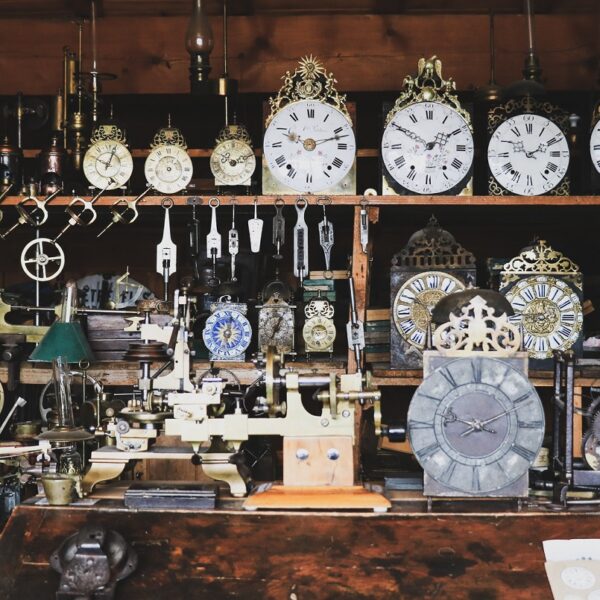
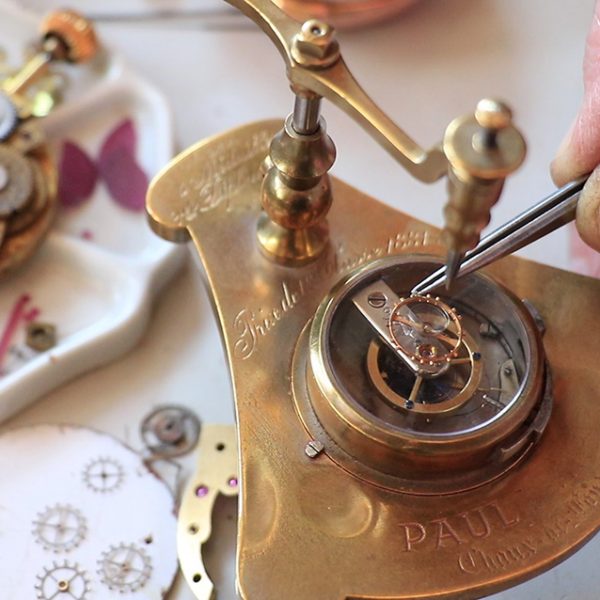
Watchmaking know-how, so well established in Pays Horloger, is included on the Representative List of the Intangible Cultural Heritage of Humanity.
The Jura Arc is a region where craftsmanship remains particularly vibrant, thanks to the presence of highly skilled artisans and businesses that contribute to preserving and promoting traditional skills, as well as providing comprehensive training programs. Historically, entire families practiced these crafts, developing learning methods and forging professional and familial alliances. Learning these skills typically begins in formal training schools. Today, blogs, forums, online tutorials, and open collaborative projects allow practitioners to share their expertise. This expertise serves an economic function, but it has also shaped the architecture, urban planning, and daily social life of the regions concerned. The practice embodies numerous values such as a commitment to quality workmanship, punctuality, perseverance, creativity, dexterity, and patience. Furthermore, the relentless pursuit of precision and the intangible nature of timekeeping lend this practice a strong philosophical dimension. Source: UNESCO.
Discover the artisans of our region and their expertise.